Cocaine Stabilization & Detox Programs Across New York
Across New York, 41 programs run cocaine (powder and crack) stabilization — a 3-5 day inpatient observation window that holds the body and mind steady through the acute crash, screens for cardiac complications and co-occurring opioid use, and lays the bridge into contingency-management or Matrix Model continuing care.
Where cocaine detox programs cluster in New York
The 41 centers in this track are spread across 6+ communities throughout New York. The largest hubs are below.
Cocaine Detoxification Programs across New York
Listing 30 of 41 SAMHSA-listed centers — page 1 of 2
Care levels offered by Cocaine Detox programs in New York
Cocaine Detoxification Programs in New York reach across the full continuum of care. Here is how settings break down (a single program may run several):
25 of 41 centers
25 of 41 centers
25 of 41 centers
18 of 41 centers
15 of 41 centers
15 of 41 centers
Care types most frequently offered:
How Cocaine Detox programs in New York handle insurance and payment
Plans accepted most often:
Medication-Assisted Treatment (MAT): 41 of 41 (100%) centers deliver MAT — typically Buprenorphine used in Treatment, Naltrexone used in Treatment, Methadone used in Treatment on the formulary.
Inside a cocaine stabilization stay in New York
Cocaine detox is built around close psychiatric observation and cardiac safety, not medication tapers. New York programs run mental-status checks and suicide-risk screening every few hours during the crash phase — that 24-72 hour window when depression and anhedonia peak — keep nursing staff on the floor 24/7, place clients on cardiac telemetry if there is chronic crack use, hypertension, or cocaine-induced chest pain on intake, and have on-call psychiatry ready for any escalation toward stimulant-induced psychosis or active suicidality. Naloxone is stocked and offered at discharge across the board, because polysubstance use with fentanyl-contaminated supply is now common enough that the assumption runs in that direction.
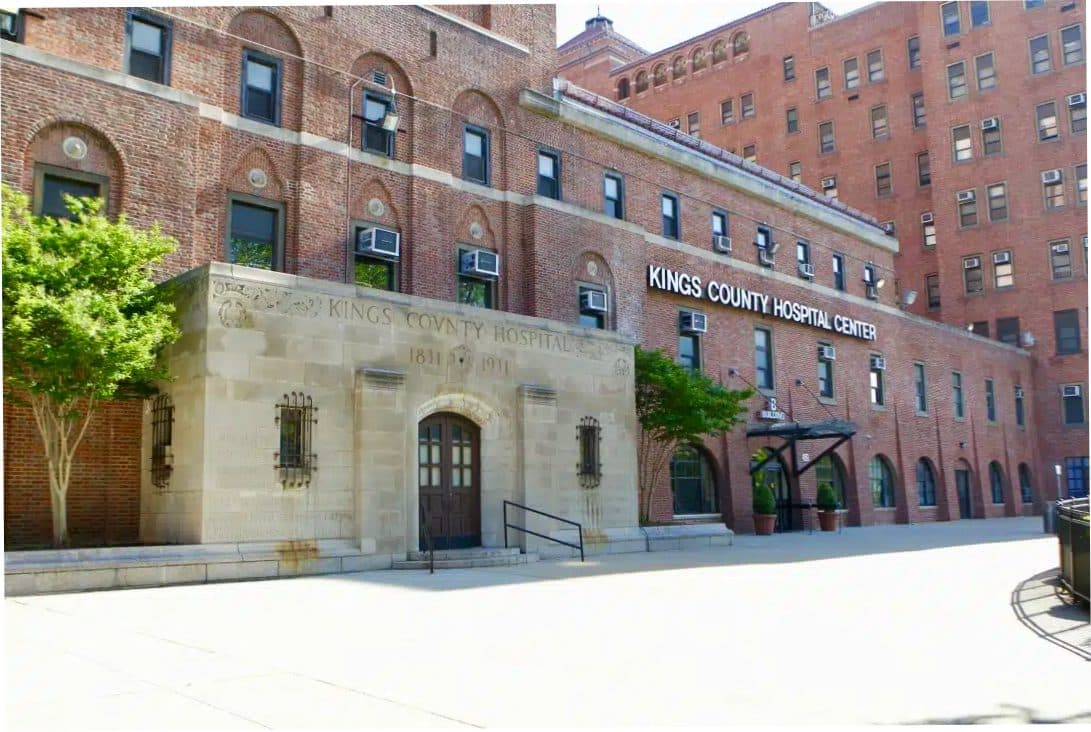
The 41 cocaine detox programs in New York include hospital-based units, freestanding ASAM 3.7 facilities, and dual-diagnosis settings that can hold a co-occurring depression, anxiety, or psychotic-spectrum presentation alongside the acute crash. Bed capacity favors Brooklyn (8 programs) and the larger Capital District and downstate metros, while smaller communities generally keep at least one option open even when capacity is tighter.
What makes at-home cocaine withdrawal risky
Riding out the crash phase alone is more dangerous than the lack of withdrawal medications would suggest. The depression that arrives in the first 24-72 hours is severe enough that suicide risk climbs sharply for clients with any prior history, and the anhedonia and cravings that follow are unbearable enough that most people return to using just to make them stop — which, with fentanyl contamination of the cocaine supply now documented across the Northeast, carries direct overdose risk regardless of opioid history. Crack users in particular often have undiagnosed cardiac damage from chronic vasoconstriction that surfaces during withdrawal, and those signs are easy to miss without telemetry.
New York programs apply ASAM criteria to decide whether outpatient stabilization, residential detox, or hospital-based monitoring fits best. Use pattern (powder versus crack, frequency, route, last-use timing), polysubstance history (alcohol, opioids, benzos, methamphetamine), cardiac and psychiatric red flags, prior overdose history, and the stability of the home environment all factor in — an evaluation that typically takes 20-30 minutes by phone before a bed is assigned.