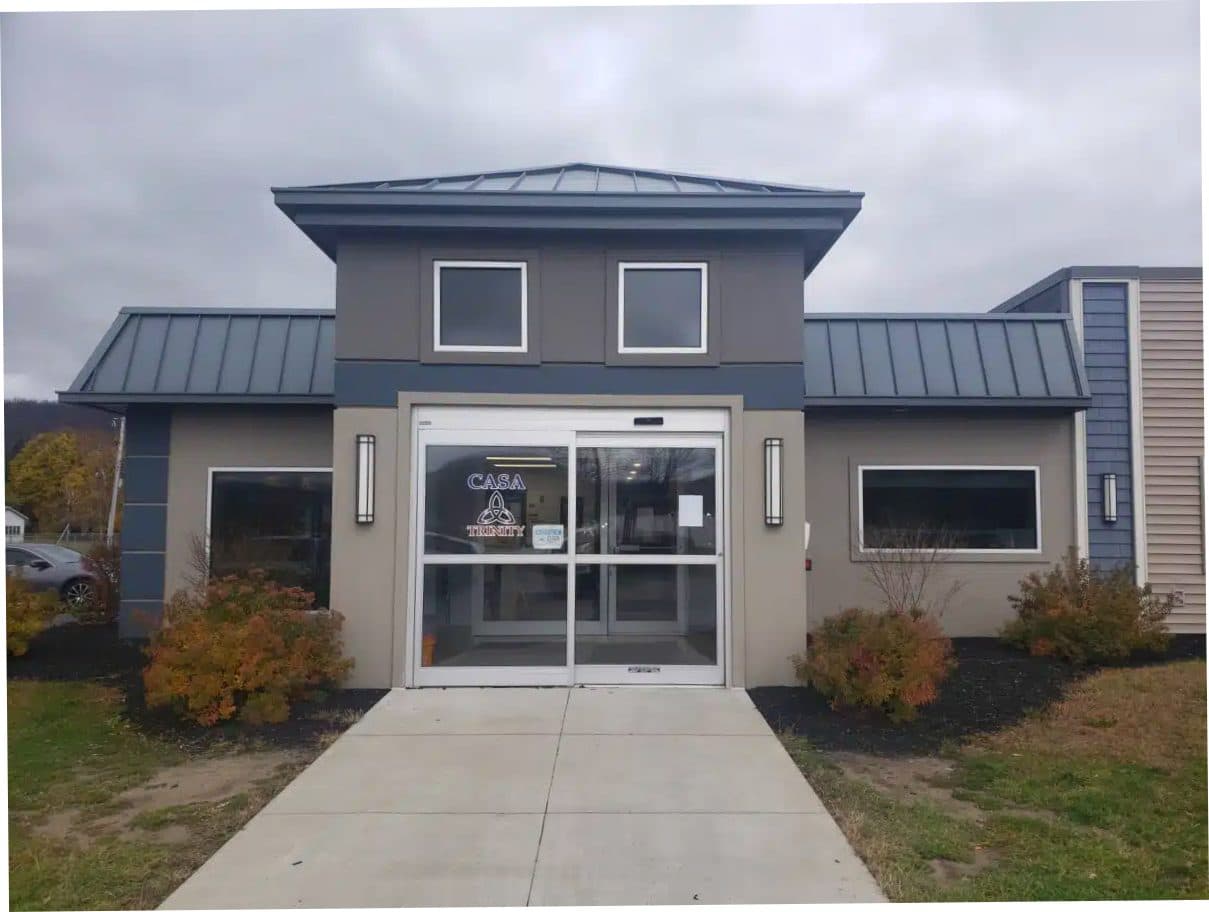
Income-Based Rehab Programs in New York
269 rehab programs in New York set treatment fees on a sliding scale — pricing flexes with documented household income and family size, so the cost of care follows what a client can actually carry rather than a fixed sticker rate.
Where income-based programs cluster in New York
The 269 centers in this track are spread across 6+ communities throughout New York. The largest hubs are below.
Income-Based & Sliding-Scale Rehabs across New York
Listing 30 of 269 SAMHSA-listed centers — page 1 of 9
Care levels offered by Income-Based programs in New York
Income-Based & Sliding-Scale Rehabs in New York reach across the full continuum of care. Here is how settings break down (a single program may run several):
212 of 269 centers
202 of 269 centers
197 of 269 centers
65 of 269 centers
52 of 269 centers
42 of 269 centers
Care types most frequently offered:
How Income-Based programs in New York handle insurance and payment
Plans accepted most often:
Medication-Assisted Treatment (MAT): 253 of 269 (94%) centers deliver MAT — typically Buprenorphine used in Treatment, Naltrexone used in Treatment, Methadone used in Treatment on the formulary.
How an income-based fee structure works in New York
The mechanics are straightforward. At intake, the program's financial counselor reviews documented household income, family size, and any public-assistance enrollments — recent pay stubs, the prior year's tax return, SNAP or TANF letters — and slots the client onto a tier. The lowest tiers at many New York outpatient programs land in the $25-50-per-session range; some federally qualified health centers (FQHCs) drop to $0 for clients with no income at all. The Federal Poverty Level (FPL) is the most common benchmark; published tiers usually move in 25-percent FPL increments.
269 programs across New York operate with sliding-scale pricing, the strongest concentrations sitting in Bronx, New York, and Brooklyn. Layered with Medicaid acceptance (261 of 269 programs, or 97%), the combined effect is that uninsured and underinsured clients almost always have a path in — Medicaid covers the core clinical service, sliding scale handles whatever remains.
Where sliding scale comes from — and what it doesn’t compromise
Sliding-scale pricing is mostly the work of non-profit treatment providers, FQHCs, and state-licensed community programs that cross-subsidize fees through SAMHSA block grants, state behavioral-health contracts, foundation support, and donor revenue. The structure isn't a discount — it's a different funding model. In New York, many of these programs carry CARF or Joint Commission accreditation, the same clinical standards full-fee centers must meet.
When weighing options, the questions worth asking are the same ones you'd ask any program: clinician licensure, which evidence-based modalities are on offer (CBT, DBT, motivational interviewing, MAT), staff-to-client ratios, and how aftercare is structured. Lower fees rarely mean thinner clinical care; they tend to mean fewer amenities — shared rooms instead of private, plainer dining, no concierge layer. The treatment work itself looks very similar across the price spectrum.