Medically Supervised Benzodiazepine Detox Across New York
Across New York, 62 programs run medically supervised benzodiazepine detox — a weeks-to-months tapered withdrawal that prevents seizures, eases the protracted side of benzo discontinuation, and sets up the bridge into anxiety-informed residential, outpatient, or community-based recovery.
Where benzo detox programs cluster in New York
The 62 centers in this track are spread across 6+ communities throughout New York. The largest hubs are below.
Benzodiazepine Detoxification Programs across New York
Listing 30 of 62 SAMHSA-listed centers — page 1 of 3
Care levels offered by Benzo Detox programs in New York
Benzodiazepine Detoxification Programs in New York reach across the full continuum of care. Here is how settings break down (a single program may run several):
35 of 62 centers
35 of 62 centers
35 of 62 centers
28 of 62 centers
17 of 62 centers
16 of 62 centers
Care types most frequently offered:
How Benzo Detox programs in New York handle insurance and payment
Plans accepted most often:
Medication-Assisted Treatment (MAT): 62 of 62 (100%) centers deliver MAT — typically Buprenorphine used in Treatment, Naltrexone used in Treatment, Methadone used in Treatment on the formulary.
Inside a medically managed benzodiazepine detox stay in New York
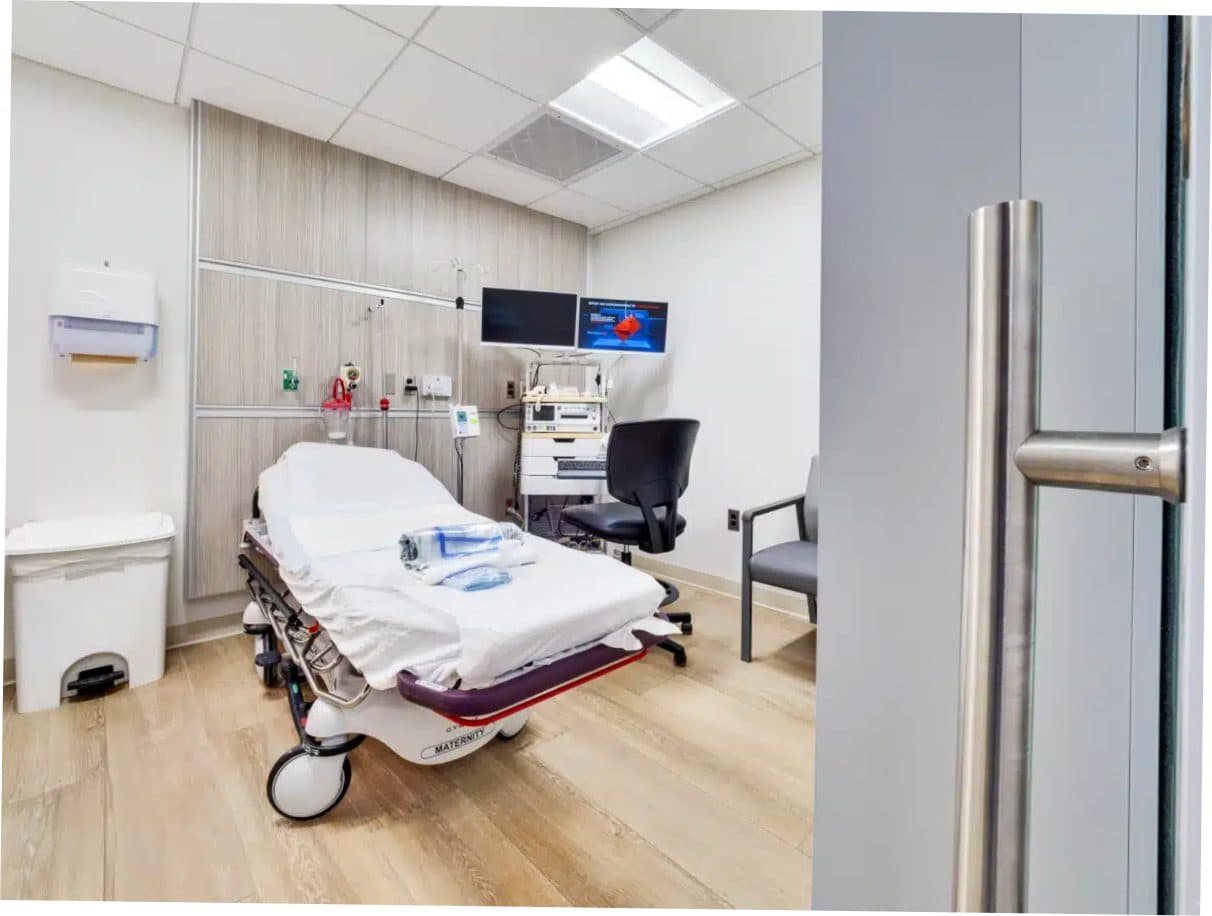
Benzo detox is an active clinical intervention with a long horizon. New York programs check vital signs and run withdrawal scoring every 2-4 hours during the acute stabilization phase, follow a written cross-titration protocol that swaps short-acting benzodiazepines (Xanax, Ativan) for the smoother profile of diazepam or clonazepam, keep nursing staff on the floor 24/7, and have on-call prescribers ready for any breakthrough symptom — particularly seizure risk in long-term high-dose users.
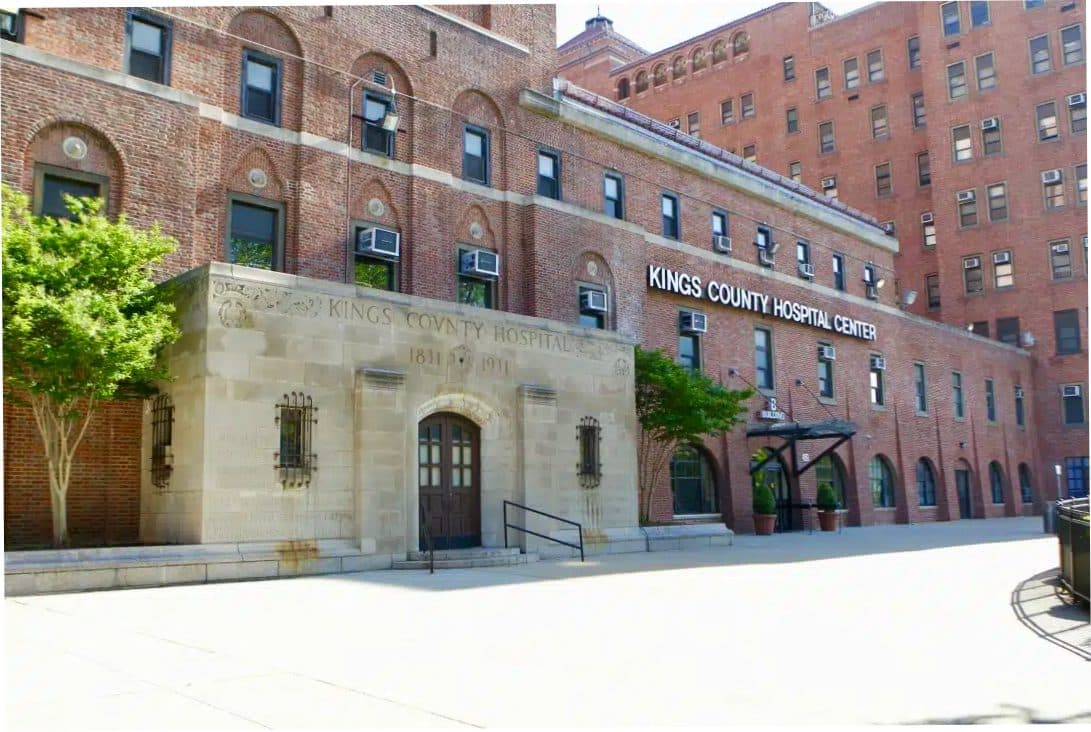
The 62 benzodiazepine detox programs in New York include hospital-based units, freestanding ASAM 3.7 facilities, and dual-diagnosis settings that can hold a co-occurring anxiety, panic, or PTSD presentation alongside the withdrawal — which matters here, because most benzo prescriptions started for anxiety, and that diagnosis does not disappear when the medication does. Bed capacity favors Brooklyn (10 programs) and the larger Capital District and downstate metros, while smaller communities generally keep at least one option open.
Why benzodiazepine detox needs medical oversight
Benzodiazepine withdrawal sits alongside alcohol withdrawal as the most medically dangerous of any common substance withdrawal — abrupt discontinuation after long-term daily use can trigger grand mal seizures, severe rebound anxiety, transient psychosis, and in rare cases death. Anyone who has taken a benzodiazepine on a daily basis for more than 4 weeks should never try to discontinue without a medically guided taper. Only clinical detox offers the cross-titration to a long-acting anchor, the slow scheduled reductions, the seizure-prevention monitoring, and the integrated anxiety care that closes the loop on what was almost always a prescription-driven dependence.
New York programs lean on ASAM Criteria to match the intensity of care to dose, duration, and prior taper attempts. A modest dose with a stable household may suit an outpatient-led taper under physician supervision, while high-dose, long-duration, or polypharmacy presentations — particularly concurrent opioid use — call for inpatient medically managed care, ideally a Level 3.7 or 4.0 setting that can handle seizure prophylaxis and a structured cross-titration on-site.