Medically Supervised Alcohol Detox Across New York
Across New York, 71 programs run medically supervised alcohol detox — a 3-7 day stabilization window that manages alcohol withdrawal syndrome, lowers the risk of seizures and delirium tremens, and sets up the bridge into residential, outpatient, or MAT-supported continuing care.
Where alcohol detox programs cluster in New York
The 71 centers in this track are spread across 6+ communities throughout New York. The largest hubs are below.
Alcohol Detoxification Programs across New York
Listing 30 of 71 SAMHSA-listed centers — page 1 of 3
Care levels offered by Alcohol Detox programs in New York
Alcohol Detoxification Programs in New York reach across the full continuum of care. Here is how settings break down (a single program may run several):
44 of 71 centers
44 of 71 centers
44 of 71 centers
32 of 71 centers
20 of 71 centers
19 of 71 centers
Care types most frequently offered:
How Alcohol Detox programs in New York handle insurance and payment
Plans accepted most often:
Medication-Assisted Treatment (MAT): 71 of 71 (100%) centers deliver MAT — typically Buprenorphine used in Treatment, Naltrexone used in Treatment, Methadone used in Treatment on the formulary.
Inside a medically managed alcohol detox stay in New York
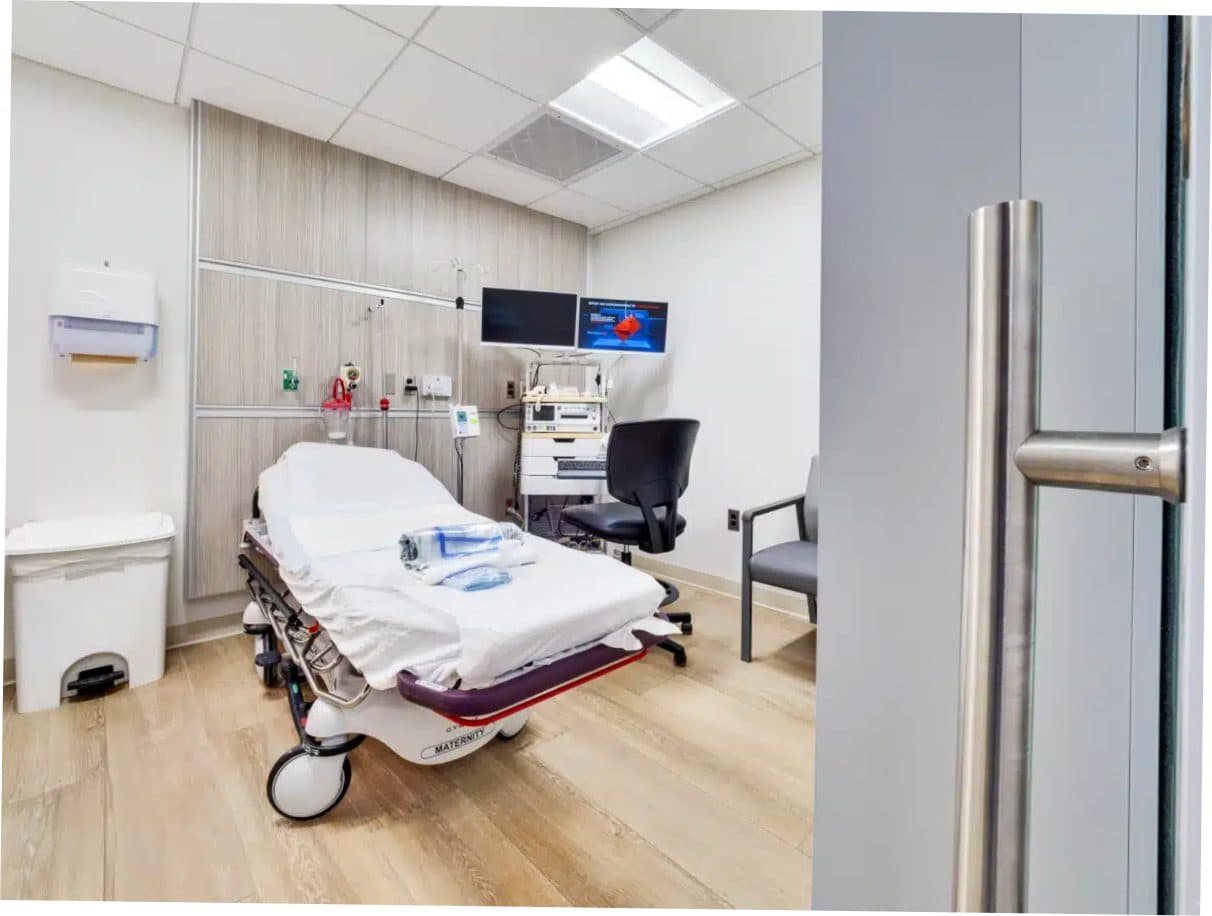
Alcohol detox is an active clinical intervention, not a quiet holding room. New York programs run CIWA-Ar withdrawal scoring every 2-4 hours during the acute phase, follow structured benzodiazepine taper protocols calibrated to that score, keep nursing staff on the floor 24/7, and have on-call physicians ready for any escalation toward seizures or DTs.
The 71 alcohol detox programs in New York include hospital-based units, freestanding ASAM 3.7 facilities, and dual-diagnosis settings that can hold a co-occurring psychiatric crisis alongside the withdrawal. Bed capacity favors Brooklyn (12 programs) and the larger Capital District and downstate metros, while smaller communities usually keep at least one option open even though capacity is tighter.
What makes at-home alcohol withdrawal risky
Anyone drinking heavily on a daily basis should not try to stop without supervision. The acute window is dangerous in itself, and even when withdrawal is not strictly life-threatening, the symptoms can become so intense that people return to drinking simply to make them stop — relapse before recovery has had a chance to begin. Medical detox addresses both the physical risk and that psychological pull, which is why the odds of moving cleanly into ongoing treatment are dramatically higher when detox happens in a clinical setting.
New York programs apply ASAM criteria to determine whether ambulatory, residential, or hospital-based detox fits best. Use history, prior withdrawal episodes (especially any seizures or DTs), co-occurring medical and psychiatric conditions, and the stability of the home environment all factor in — an evaluation that usually takes 20-30 minutes by phone before a bed is assigned.