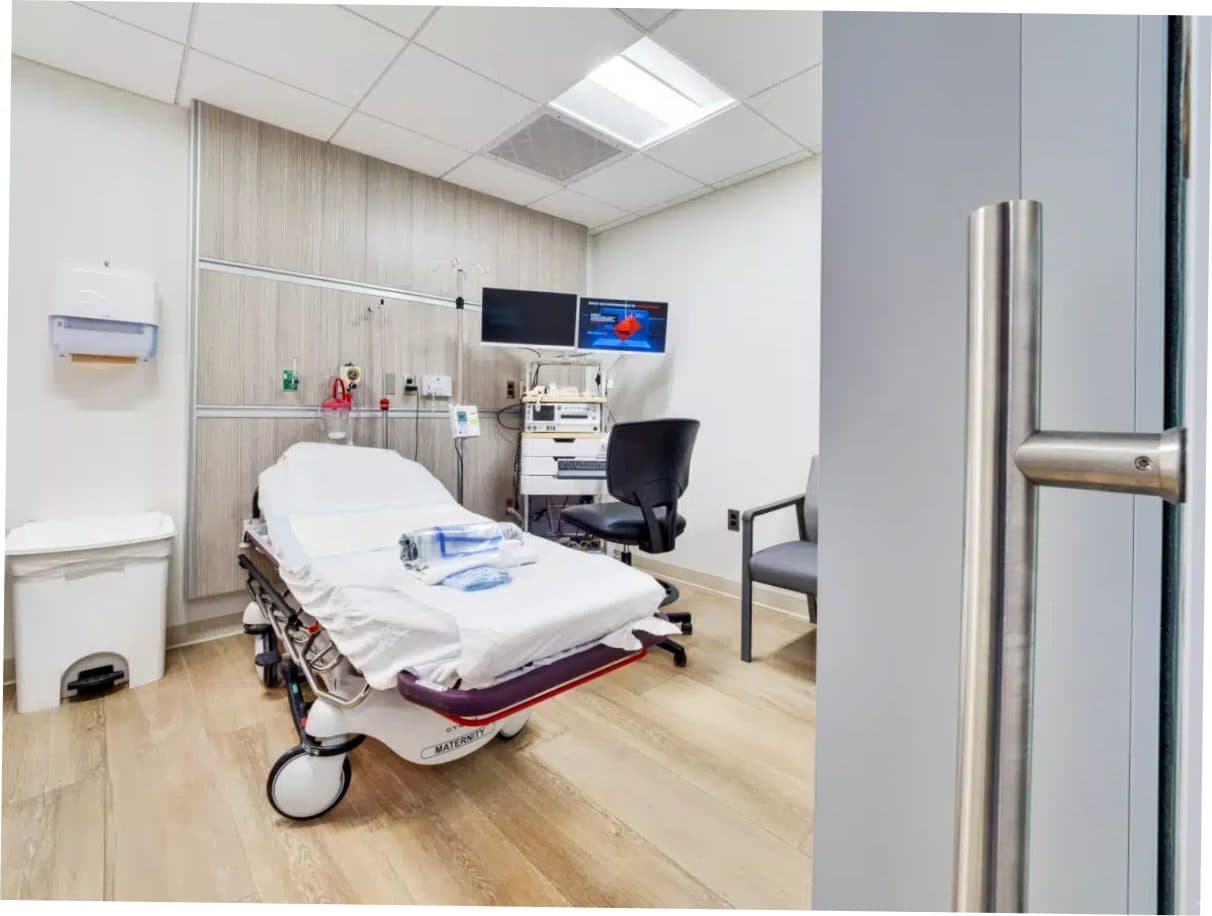
Addiction Treatment for Pregnant Women
Safe, specialized addiction treatment for pregnant and postpartum women.
Find Pregnancy-Specialized Treatment
Not Sure Where to Start with Treatment?
Look through the directory, or pick up the phone and talk it through.
Is Addiction Treatment Safe During Pregnancy?
Yes, addiction treatment during pregnancy is safe—and important. Untreated substance use during pregnancy poses far greater risks to both mother and baby than treatment does. Medical professionals strongly recommend seeking help as early as possible.
Specialized programs for pregnant women provide:
- Coordinated care between addiction specialists and prenatal providers
- Pregnancy-safe treatment approaches and medications
- Monitoring for complications affecting mother and baby
- Nutritional support for healthy pregnancy
- Preparation for parenting in recovery
- Postpartum support and ongoing care
Continuing substance use during pregnancy can lead to premature birth, low birth weight, birth defects, neonatal abstinence syndrome (NAS), and other serious complications. Treatment dramatically reduces these risks.
Treatment Options for Pregnant Women
Treatment for pregnant women addresses addiction while prioritizing the health of both mother and baby:
Prenatal Care Integration
Prenatal Care Integration: Quality programs integrate addiction treatment with prenatal care. This means regular OB-GYN visits, ultrasounds, and monitoring as part of treatment. Medical teams communicate closely to coordinate care.
Pregnancy-Safe Therapies
Pregnancy-Safe Therapies: Evidence-based therapies like CBT and motivational interviewing are safe and effective during pregnancy. Programs may also offer prenatal yoga, nutrition counseling, parenting preparation, and stress management techniques that support healthy pregnancy.
Medication-Assisted Treatment in Pregnancy
For pregnant women with opioid use disorder, Medication-Assisted Treatment (MAT) is the recommended standard of care:
Buprenorphine (Suboxone)
Buprenorphine (Suboxone): Buprenorphine is considered safe during pregnancy and is often the preferred option. It reduces cravings and withdrawal symptoms, stabilizes the mother, and significantly reduces the risks associated with continued opioid use. Babies may still experience mild withdrawal (neonatal abstinence syndrome), but it's typically milder than with other opioids and easily managed by medical teams.
Methadone
Methadone: Methadone has the longest track record for treating opioid addiction in pregnancy and remains an excellent option. It requires daily visits to an opioid treatment program (OTP). Like buprenorphine, babies may experience some withdrawal that's medically manageable.
Important: Pregnant women should NOT attempt to stop opioids suddenly ("cold turkey"). Withdrawal can cause miscarriage or preterm labor. MAT provides a safer path to stability.
Common Questions About Pregnant Women Treatment
Help Lines & Trusted Resources
In a crisis or need to reach someone right now:
Call 988 (Suicide & Crisis Lifeline) or 1-800-662-4357 (SAMHSA National Helpline)
1-800-662-4357 — a free, confidential treatment referral line answered every day of the year, around the clock
Federal directory for locating licensed treatment programs nationwide
Call or text 988 to reach a counselor during a mental health crisis