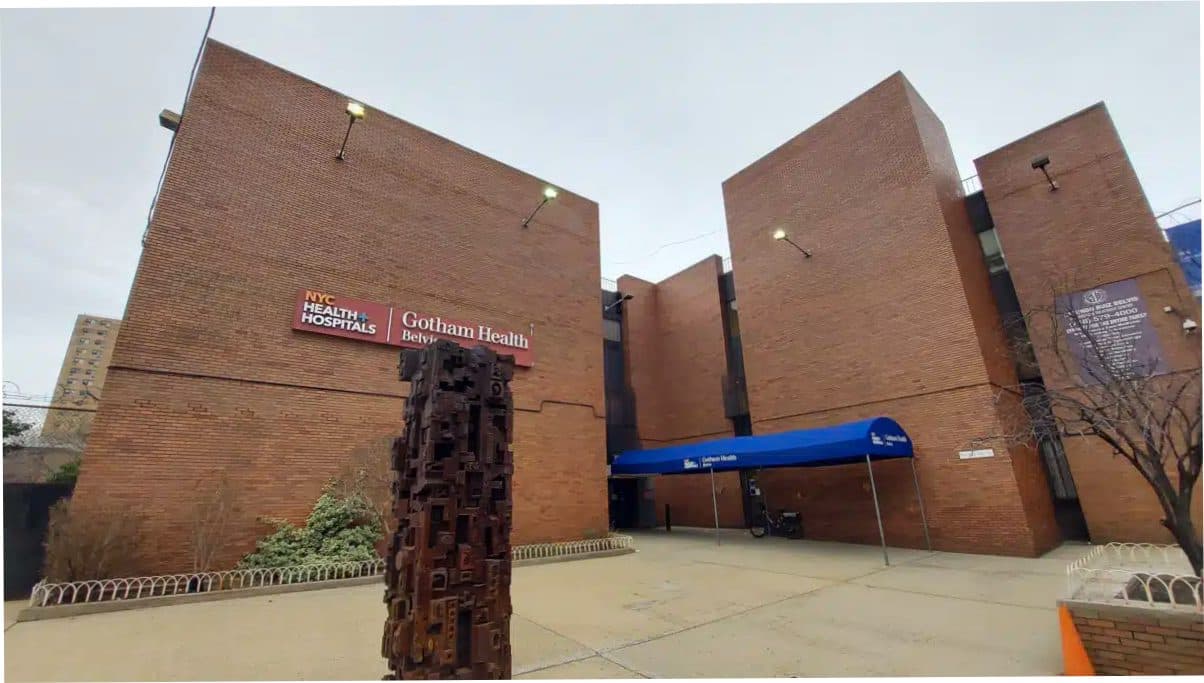
United Bronx Parents Inc (UBP) — Lorraine Montenegro Women and Children, Bronx, NY
Lorraine Montenegro Women and Children • 773 Prospect Avenue • Bronx, NY 10455
SAMHSA 24/7 Helpline: 1-800-662-4357
Mailing Address
773 Prospect Avenue
Bronx, New York 10455
Phone Lines
Front desk: 718-292-9808
Admissions: 718-292-9808 x2112
Hours of Operation
Hours not posted — call the facility to confirm availability
United Bronx Parents Inc (UBP)
773 Prospect Avenue, Bronx, NY 10455
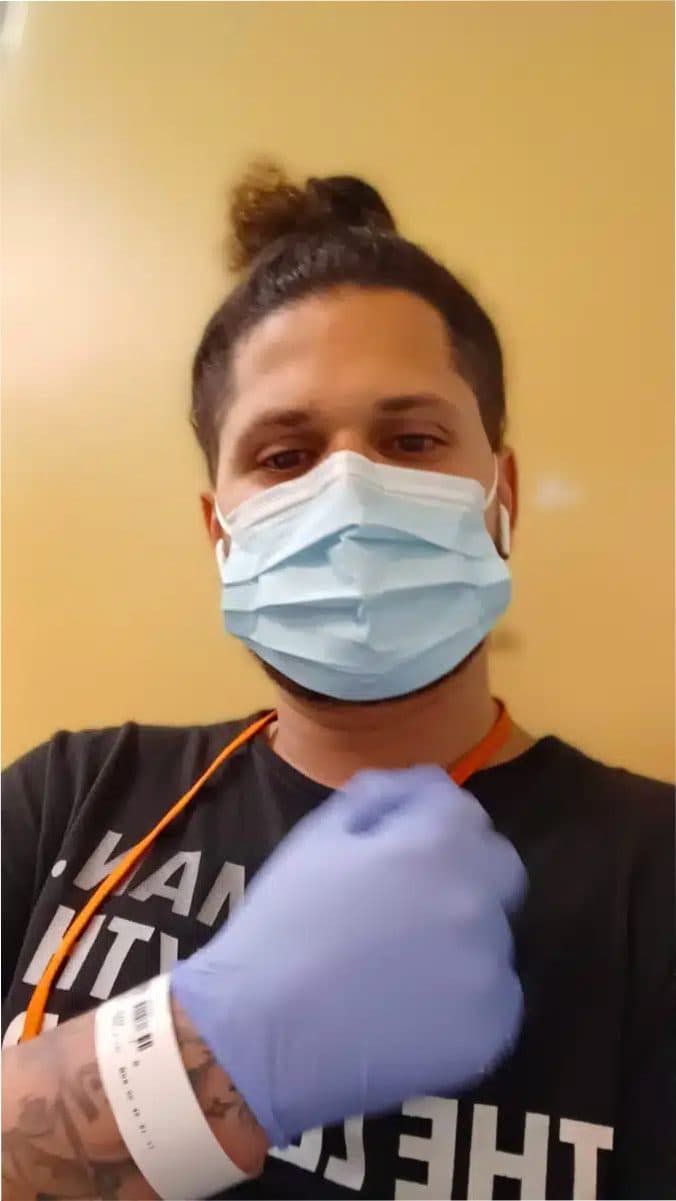
Inside United Bronx Parents Inc (UBP) — Residential Care
United Bronx Parents Inc (UBP) stands out as a prominent rehabilitation center located in the Bronx, NY, with a specialization in providing substance use treatment specifically for adult women. The facility offers both long-term residential and 24-hour residential programs designed for a diverse range of individuals, including adults, seniors, and young adults. At UBP, the treatment approach is comprehensive, focusing on key areas such as anger management, cognitive behavioral therapy, and contingency management with motivational incentives. This ensures that the care provided supports each individual's journey to recovery effectively. One of the center's defining features is its commitment to female clients, creating a nurturing and empowering environment for women who are striving to overcome addiction. UBP is dedicated to offering high-quality, evidence-based treatment that aids individuals in achieving lasting sobriety and enhancing their overall quality of life.
Insurance Plans Honored at United Bronx Parents Inc (UBP)
Benefits and acceptance depend on your individual policy. Verify your coverage with admissions before scheduling.
United Bronx Parents Inc (UBP)
773 Prospect Avenue, Bronx, NY 10455
SAMHSA 24/7 Helpline: 1-800-662-4357
Residential Tracks Offered at United Bronx Parents Inc (UBP)
| Care Levels | Substance use treatment |
| Treatment Setting | Long-term residential, Residential/24-hour residential |
| Medications Available | Buprenorphine used in Treatment |
CBT & Allied Therapies at United Bronx Parents Inc (UBP)
Conditions Addressed at United Bronx Parents Inc (UBP) — Opioid Addiction & More
Specialty Pathways at United Bronx Parents Inc (UBP) — Women's Program & More
Counseling at United Bronx Parents Inc (UBP) — Family-Inclusive Sessions
On-Site Testing at United Bronx Parents Inc (UBP) — Drug & Alcohol Screening
Wraparound Supports & Accommodations at United Bronx Parents Inc (UBP)
Setting & House Rules at United Bronx Parents Inc (UBP)
Paying for Care at United Bronx Parents Inc (UBP) — Insurance & Self-Pay
Carriers Accepted
Other Payment Pathways
Plan coverage depends on your individual benefits. Call admissions to confirm what your policy covers and any cost-share before you commit.
Adult & Senior Intake at United Bronx Parents Inc (UBP)
Ages Served
Gender Tracks
United Bronx Parents Inc (UBP) — New York Licensed Recovery Center
 Listed in SAMHSA Locator
Full Credential List
Matching Care Programs
Want to compare options beyond United Bronx Parents Inc (UBP)? Browse the full directory of vetted centers in New York or explore care by specialty.
Common Questions About Care at United Bronx Parents Inc (UBP)
Records on file indicate this program accepts Medicaid. Specific eligibility rules, covered services, and authorization steps differ by state and plan tier. The admissions team can run a benefits check and walk through any cost-share before you schedule.
Medication-assisted treatment (MAT) is offered with Buprenorphine used in Treatment. These FDA-approved medications ease withdrawal and reduce craving while clients begin therapy. The treating physician sets dosing and the long-term plan based on an individual clinical assessment.
Residential days follow a predictable rhythm: morning wellness and grounding activities, individual therapy, group counseling blocks, educational workshops, and evening peer-recovery meetings. Meals, medication times, and rest periods are built into the schedule. That steady routine helps clients rebuild healthy daily structure — a quiet but important piece of sustained recovery.
The young-adult track focuses on the challenges specific to this stage of life — peer dynamics, identity formation, and the move into independent living. Programming usually pairs traditional addiction therapy with career counseling and practical life-skills work.
Gender-responsive programming gives women space to work on trauma, relationships, and parenting in a setting tailored to their needs. Some sites coordinate childcare or family housing alongside treatment. If pregnancy or postpartum care is part of the picture, ask admissions about pregnancy-safe protocols.
Family participation tends to strengthen long-term recovery outcomes. This program may run family therapy sessions, educational workshops, scheduled visitation, family weekends, or multi-family groups. The specifics differ by site, so admissions can describe the exact family programming and how relatives can plug in.
Aftercare planning starts well before discharge. Typical paths include step-down to outpatient services, referrals to sober-living homes, alumni group meetings, and warm hand-offs to community recovery resources. Many programs maintain alumni networks so peer support and accountability continue once formal treatment is complete.
Family counseling runs alongside the primary clinical program. Relatives are invited into education sessions, communication-skills practice, and discharge planning so the family system actively supports recovery rather than undermining it. CRAFT principles can inform how loved ones engage with the person in treatment.
Yes — residential beds for clients’ children are available, so qualifying parents can keep their kids with them through inpatient care. Eligibility, age limits, and the number of family beds open at any given time vary. Admissions will walk through the specifics and explain what to pack on intake day for both parent and child.
Transportation assistance is part of the program — appointments, group sessions, and admissions logistics can be supported. Eligibility and service radius depend on the track: outpatient ride support, residential intake pickups, and aftercare appointment transport are typically handled through separate pathways. Admissions can confirm what fits your situation when you call.
Total cost depends on program length, level of care, and the specific services involved. Most sites can set up payment plans or point to outside financing partners. A confidential call to admissions gets you a tailored cost estimate for your situation rather than a guess based on a generic price sheet.
This site offers general information about addiction treatment centers. It is not a substitute for professional medical advice, diagnosis, or treatment. In a mental health crisis, call 988 (Suicide & Crisis Lifeline) or 911 right away. For substance use guidance, SAMHSA can be reached at 1-800-662-4357.
Records are drawn from the SAMHSA Treatment Locator, state licensing databases, and center submissions.