Saint Josephs ATRC — Massena, NY
Rose Hill RRSY 1 • 100 County Route 43 • Massena, NY 13662
SAMHSA 24/7 Helpline: 1-800-662-4357
Mailing Address
100 County Route 43
Massena, New York 13662
Phone Lines
Front desk: 315-764-9700
Admissions: 315-764-9700 x5236
Hours of Operation
Hours not posted — call the facility to confirm availability
Saint Josephs ATRC
100 County Route 43, Massena, NY 13662
Inside Saint Josephs ATRC — Residential Care
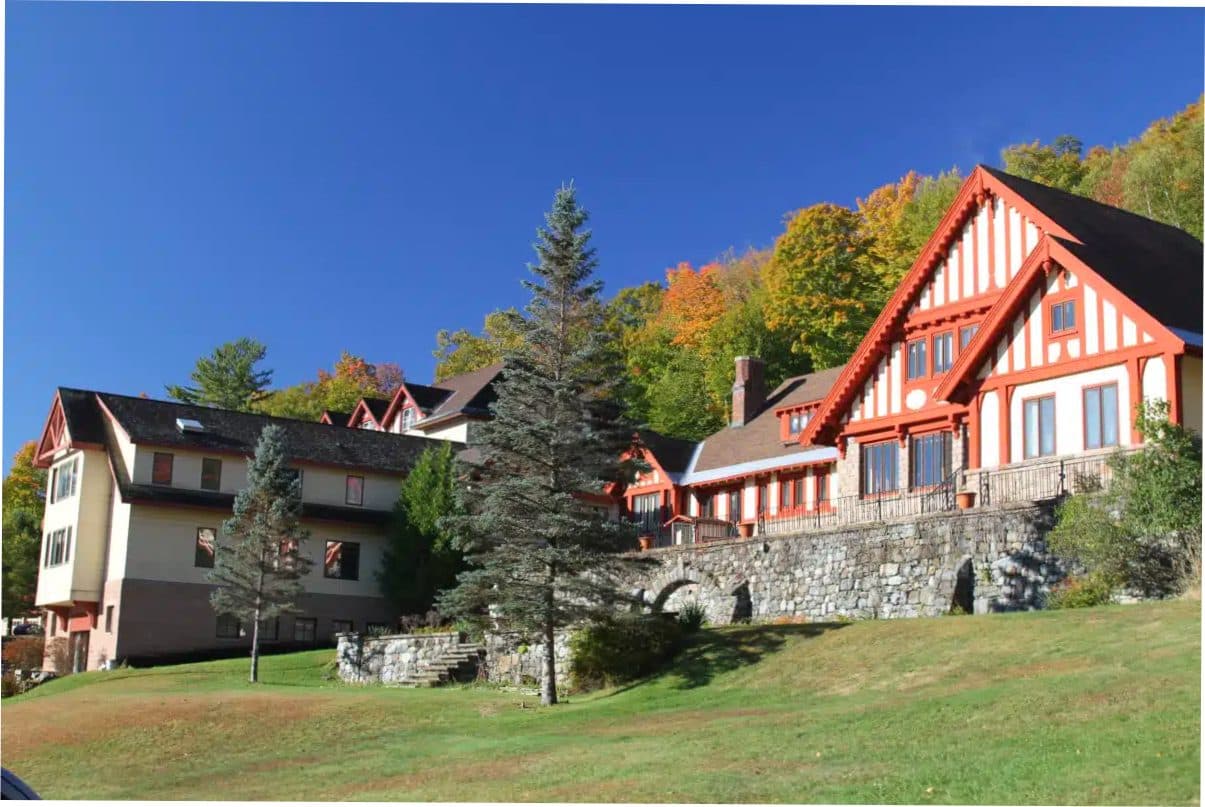
Saint Josephs ATRC operates the Rose Hill RRSY 1 residential program in Massena, NY, providing long-term residential, short-term residential, and 24-hour residential substance use treatment for adolescents, with integrated care for co-occurring serious mental health conditions or emotional disturbances. Clinical work draws on 12-step facilitation, cognitive behavioral therapy, motivational interviewing, anger management, and brief intervention. Buprenorphine and naltrexone are used in treatment where clinically appropriate. At Saint Josephs ATRC, dedicated tracks support adolescents, and young people who have lived through intimate partner violence, domestic violence, sexual abuse, or other trauma, alongside those with co-occurring mental and substance use disorders. As a community-rooted non-profit in the North Country, the team keeps the residential setting structured but warm, helping each adolescent build steady routine in the longer arc of recovery.
Insurance Plans Honored at Saint Josephs ATRC
Benefits and acceptance depend on your individual policy. Verify your coverage with admissions before scheduling.
Saint Josephs ATRC
100 County Route 43, Massena, NY 13662
SAMHSA 24/7 Helpline: 1-800-662-4357
Residential Tracks Offered at Saint Josephs ATRC
| Care Levels | Substance use treatment, Treatment for co-occurring substance use plus either serious mental health illness in adults/serious emotional disturbance in children |
| Treatment Setting | Long-term residential, Residential/24-hour residential, Short-term residential |
| Medications Available | Buprenorphine used in Treatment, Naltrexone used in Treatment |
Clinical Approaches at Saint Josephs ATRC — CBT & Evidence-Based Care
Conditions Addressed at Saint Josephs ATRC — Alcoholism, Opioid Addiction & More
Specialty Pathways at Saint Josephs ATRC — LGBTQ+ Affirming Care & More
Counseling at Saint Josephs ATRC — Family-Inclusive Sessions
On-Site Testing at Saint Josephs ATRC — Drug & Alcohol Screening
Wraparound Supports at Saint Josephs ATRC — Transportation & Wraparound Supports
House Rules at Saint Josephs ATRC — Smoke-Free Campus
Paying for Care at Saint Josephs ATRC — Insurance & Self-Pay
Carriers Accepted
Other Payment Pathways
Plan coverage depends on your individual benefits. Call admissions to confirm what your policy covers and any cost-share before you commit.
Adolescent Intake at Saint Josephs ATRC
Ages Served
Gender Tracks
Saint Josephs ATRC — CARF Accredited, New York Licensed
 CARF International Accreditation
 Listed in SAMHSA Locator
Full Credential List
Matching Care Programs
Want to compare options beyond Saint Josephs ATRC? Browse the full directory of vetted centers in New York or explore care by specialty.
Common Questions About Care at Saint Josephs ATRC
Records on file indicate this program accepts Medicaid. Specific eligibility rules, covered services, and authorization steps differ by state and plan tier. The admissions team can run a benefits check and walk through any cost-share before you schedule.
Medication-assisted treatment (MAT) is offered with Buprenorphine used in Treatment, Naltrexone used in Treatment. These FDA-approved medications ease withdrawal and reduce craving while clients begin therapy. The treating physician sets dosing and the long-term plan based on an individual clinical assessment.
Residential days follow a predictable rhythm: morning wellness and grounding activities, individual therapy, group counseling blocks, educational workshops, and evening peer-recovery meetings. Meals, medication times, and rest periods are built into the schedule. That steady routine helps clients rebuild healthy daily structure — a quiet but important piece of sustained recovery.
Yes, this site treats adolescents in an age-appropriate program. Teen tracks typically weave in family sessions, academic continuity supports, and developmentally tailored therapy. Admissions can walk parents and guardians through consent requirements and what a typical week of programming covers.
LGBTQ+-affirming care is part of how this program operates. Clinical work attends to the realities of minority stress, family rejection, and discrimination that frequently sit alongside substance use. Staff training emphasizes culturally responsive, respectful care across every level of the program.
Trauma-informed practice runs through the program. Qualifying clients can access EMDR, somatic experiencing, and trauma-focused CBT alongside the standard clinical track. Staff are trained to recognize trauma responses and to keep the therapeutic environment physically and emotionally safe.
Family participation tends to strengthen long-term recovery outcomes. This program may run family therapy sessions, educational workshops, scheduled visitation, family weekends, or multi-family groups. The specifics differ by site, so admissions can describe the exact family programming and how relatives can plug in.
Aftercare planning starts well before discharge. Typical paths include step-down to outpatient services, referrals to sober-living homes, alumni group meetings, and warm hand-offs to community recovery resources. Many programs maintain alumni networks so peer support and accountability continue once formal treatment is complete.
Yes — both family counseling and marital or couples counseling are offered. Sessions are sequenced through the program and continue into aftercare. Working with relatives helps rebuild trust, name healthy boundaries, and prepare the home environment so it can hold up the recovery work after discharge.
Yes — gambling disorder is treated here, frequently within an integrated co-occurring track when substance use is also in the picture. Clinicians draw on CBT and Motivational Interviewing adapted for behavioral addictions, paired with financial-recovery planning and connections to peer-support communities focused on gambling recovery.
Transportation assistance is part of the program — appointments, group sessions, and admissions logistics can be supported. Eligibility and service radius depend on the track: outpatient ride support, residential intake pickups, and aftercare appointment transport are typically handled through separate pathways. Admissions can confirm what fits your situation when you call.
Total cost depends on program length, level of care, and the specific services involved. Most sites can set up payment plans or point to outside financing partners. A confidential call to admissions gets you a tailored cost estimate for your situation rather than a guess based on a generic price sheet.
This site offers general information about addiction treatment centers. It is not a substitute for professional medical advice, diagnosis, or treatment. In a mental health crisis, call 988 (Suicide & Crisis Lifeline) or 911 right away. For substance use guidance, SAMHSA can be reached at 1-800-662-4357.
Records are drawn from the SAMHSA Treatment Locator, state licensing databases, and center submissions.