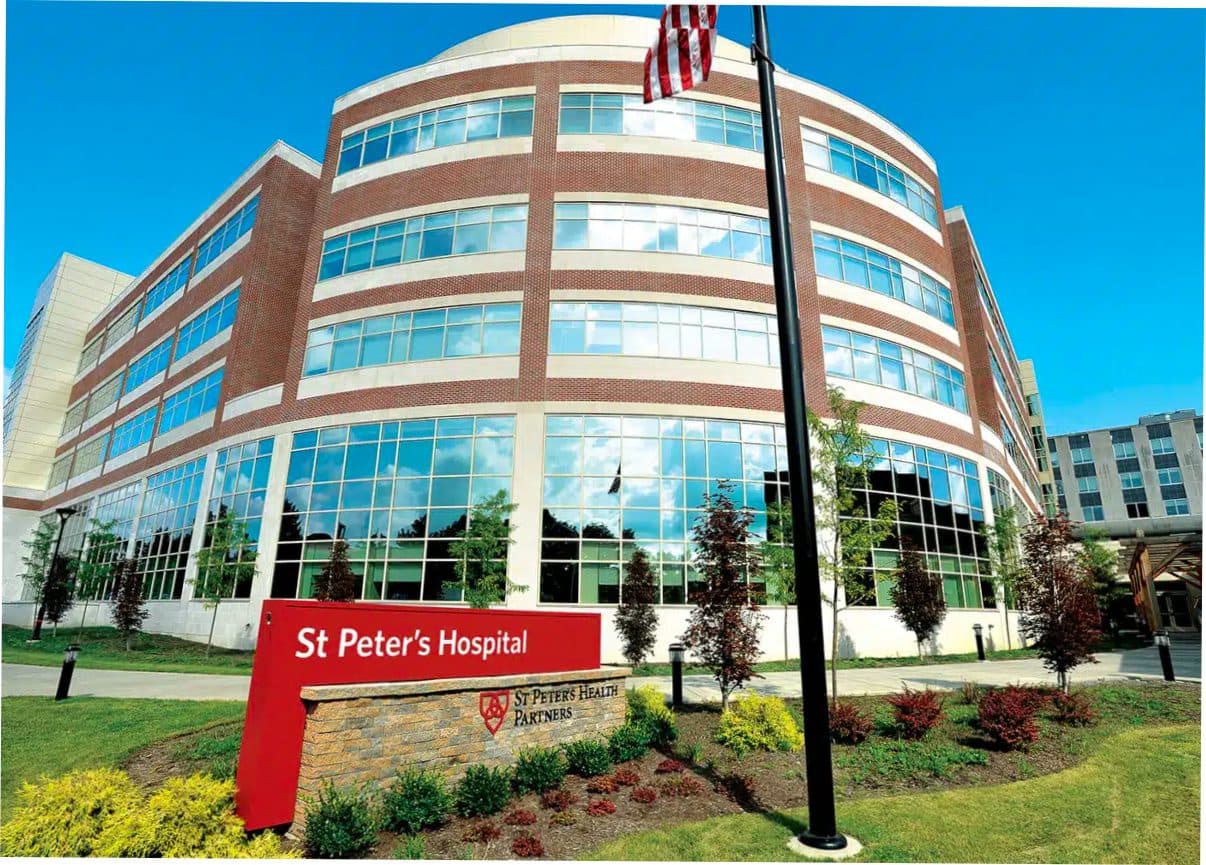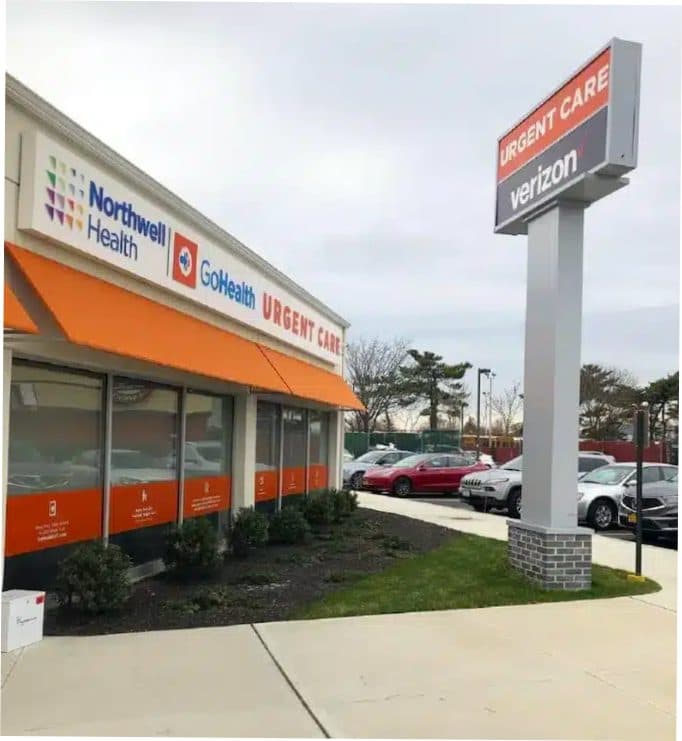
Northwell Health — Psychiatric Inpatient Care in West Hempstead, NY
Project Outreach/Outpatient Drug Free • 600 Hempstead Turnpike • West Hempstead, NY 11552
SAMHSA 24/7 Helpline: 1-800-662-4357
Mailing Address
600 Hempstead Turnpike
West Hempstead, New York 11552
Phone Lines
Front desk: 516-481-2890
Hours of Operation
Hours not posted — call the facility to confirm availability
Northwell Health
600 Hempstead Turnpike, West Hempstead, NY 11552
Inside Northwell Health — Psychiatric Hospital Outpatient Care
Northwell Health in West Hempstead, NY runs regular outpatient substance use treatment and medication-supported outpatient care with buprenorphine and naltrexone inside an integrated psychiatric setting, with parallel work for co-occurring serious mental illness and youth emotional disturbance for adults and young adults of any gender. Sessions draw on cognitive behavioral therapy, the Matrix Model, motivational interviewing, motivational incentives, and brief intervention, with a separate DUI/DWI focus for court-referred adults. Dedicated programming supports adult men, adult women, clients carrying trauma, forensic and criminal-justice referrals outside DUI/DWI, and people working through co-occurring mental and substance use disorders. Integrated primary care, on-site mental health services, suicide prevention, social skills development, and hepatitis A and B vaccination keep psychiatry and addiction care coordinated under the Northwell roof on Long Island.
Insurance Plans Honored at Northwell Health
Benefits and acceptance depend on your individual policy. Verify your coverage with admissions before scheduling.
Northwell Health
600 Hempstead Turnpike, West Hempstead, NY 11552
SAMHSA 24/7 Helpline: 1-800-662-4357
Outpatient Tracks Offered at Northwell Health
| Care Levels | Substance use treatment, Treatment for co-occurring substance use plus either serious mental health illness in adults/serious emotional disturbance in children |
| Treatment Setting | Outpatient, Outpatient methadone/buprenorphine or naltrexone treatment, Regular outpatient treatment |
| Medications Available | Buprenorphine used in Treatment, Naltrexone used in Treatment |
Clinical Approaches at Northwell Health — CBT & Evidence-Based Care
Conditions Addressed at Northwell Health — Opioid Addiction & More
Specialty Pathways at Northwell Health — LGBTQ+ Affirming Care & More
Counseling at Northwell Health — Family-Inclusive Sessions
On-Site Testing at Northwell Health — HIV & Hepatitis C Screening
Wraparound Supports at Northwell Health — Crisis & Wraparound Supports
Setting & House Rules at Northwell Health — Psychiatric Hospital
Paying for Care at Northwell Health — Insurance & Self-Pay
Carriers Accepted
Other Payment Pathways
Plan coverage depends on your individual benefits. Call admissions to confirm what your policy covers and any cost-share before you commit.
Adult Intake at Northwell Health
Ages Served
Gender Tracks
Northwell Health — Joint Commission Accredited, New York Licensed
 Accredited by The Joint Commission
 Listed in SAMHSA Locator
Full Credential List
Matching Care Programs
Want to compare options beyond Northwell Health? Browse the full directory of vetted centers in New York or explore care by specialty.
Common Questions About Care at Northwell Health
Records on file indicate this program accepts both Medicaid and Medicare. Specific eligibility rules, covered services, and authorization steps differ by state and plan tier. The admissions team can run a benefits check and walk through any cost-share before you schedule.
Medication-assisted treatment (MAT) is offered with Buprenorphine used in Treatment, Naltrexone used in Treatment. These FDA-approved medications ease withdrawal and reduce craving while clients begin therapy. The treating physician sets dosing and the long-term plan based on an individual clinical assessment.
Outpatient care is designed around real life. Sessions are scheduled in evenings, mornings, or partial-day blocks so clients can keep up with work, school, or caregiving while building recovery skills they can apply the same week.
The young-adult track focuses on the challenges specific to this stage of life — peer dynamics, identity formation, and the move into independent living. Programming usually pairs traditional addiction therapy with career counseling and practical life-skills work.
LGBTQ+-affirming care is part of how this program operates. Clinical work attends to the realities of minority stress, family rejection, and discrimination that frequently sit alongside substance use. Staff training emphasizes culturally responsive, respectful care across every level of the program.
Gender-responsive programming gives women space to work on trauma, relationships, and parenting in a setting tailored to their needs. Some sites coordinate childcare or family housing alongside treatment. If pregnancy or postpartum care is part of the picture, ask admissions about pregnancy-safe protocols.
Trauma-informed practice runs through the program. Qualifying clients can access EMDR, somatic experiencing, and trauma-focused CBT alongside the standard clinical track. Staff are trained to recognize trauma responses and to keep the therapeutic environment physically and emotionally safe.
Aftercare planning starts well before discharge. Typical paths include step-down to outpatient services, referrals to sober-living homes, alumni group meetings, and warm hand-offs to community recovery resources. Many programs maintain alumni networks so peer support and accountability continue once formal treatment is complete.
Yes — both family counseling and marital or couples counseling are offered. Sessions are sequenced through the program and continue into aftercare. Working with relatives helps rebuild trust, name healthy boundaries, and prepare the home environment so it can hold up the recovery work after discharge.
Yes — care is delivered within a psychiatric hospital, which means the team can accept admissions that need acute psychiatric stabilization alongside addiction treatment. On-site psychiatry, 24-hour medical monitoring, and integrated medication management make this setting appropriate for higher-acuity dual-diagnosis cases that lower levels of care cannot safely manage.
Total cost depends on program length, level of care, and the specific services involved. Most sites can set up payment plans or point to outside financing partners. A confidential call to admissions gets you a tailored cost estimate for your situation rather than a guess based on a generic price sheet.
This site offers general information about addiction treatment centers. It is not a substitute for professional medical advice, diagnosis, or treatment. In a mental health crisis, call 988 (Suicide & Crisis Lifeline) or 911 right away. For substance use guidance, SAMHSA can be reached at 1-800-662-4357.
Records are drawn from the SAMHSA Treatment Locator, state licensing databases, and center submissions.