New Horizon Counseling Center Inc — Valley Stream, NY
50 West Hawthorne Avenue, Suite 314 • Valley Stream, NY 11580
SAMHSA 24/7 Helpline: 1-800-662-4357
Mailing Address
50 West Hawthorne Avenue, Suite 314
Valley Stream, New York 11580
Phone Lines
Front desk: 516-872-9698 x6319
Admissions: 516-872-9698
Hours of Operation
Hours not posted — call the facility to confirm availability
New Horizon Counseling Center Inc
50 West Hawthorne Avenue, Suite 314, Valley Stream, NY 11580
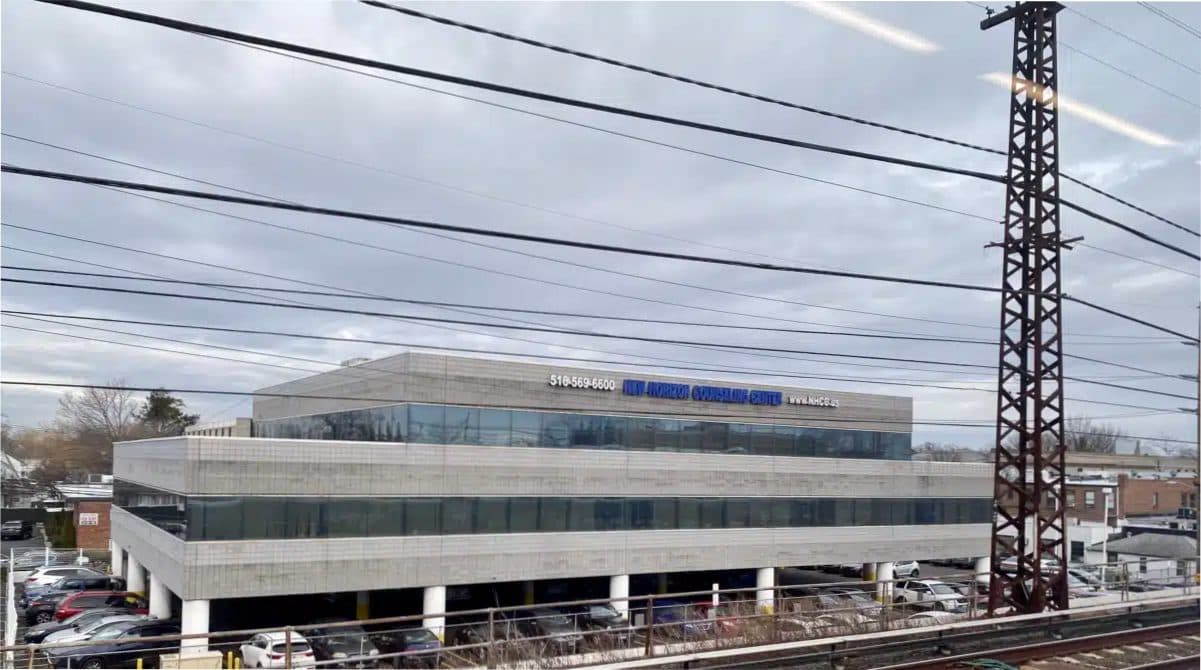
Inside New Horizon Counseling Center Inc
New Horizon Counseling Center Inc operates in Valley Stream, NY, holding outpatient substance use services for adults and seniors, with a DUI-focused track built into the schedule. The clinical work draws on standard outpatient counseling shaped to where each client is in the process, with screenings, individual sessions, and case management tied into the same plan. As a long-standing nonprofit grounded in southern Nassau County just east of the Queens line, New Horizon Counseling Center Inc keeps the schedule practical for working neighbors — case management, mental health work, and substance use education all run on the same plan so families don't have to chase the pieces across Nassau and Queens themselves.
New Horizon Counseling Center Inc
50 West Hawthorne Avenue, Suite 314, Valley Stream, NY 11580
SAMHSA 24/7 Helpline: 1-800-662-4357
Recovery Tracks at New Horizon Counseling Center Inc
Counseling at New Horizon Counseling Center Inc — Family-Inclusive Sessions
On-Site Testing at New Horizon Counseling Center Inc — Drug & Alcohol Screening
Wraparound Supports & Accommodations at New Horizon Counseling Center Inc
House Rules at New Horizon Counseling Center Inc — Smoke-Free Campus
Adult & Senior Intake at New Horizon Counseling Center Inc
Ages Served
Matching Care Programs
Want to compare options beyond New Horizon Counseling Center Inc? Browse the full directory of vetted centers in New York or explore care by specialty.
Common Questions About Care at New Horizon Counseling Center Inc
When detox is clinically indicated but not delivered in-house, this site coordinates a referral to a partner detox provider and arranges the hand-off into primary treatment. The admissions coordinator can explain how the referral works and how continuity of care is preserved between levels.
Yes, this program works with older adults and accounts for the realities of treatment at later life stages — medication interactions, chronic health conditions, grief, and social isolation. Care plans are adjusted accordingly while honoring each client’s dignity and independence.
Aftercare planning starts well before discharge. Typical paths include step-down to outpatient services, referrals to sober-living homes, alumni group meetings, and warm hand-offs to community recovery resources. Many programs maintain alumni networks so peer support and accountability continue once formal treatment is complete.
Yes — both family counseling and marital or couples counseling are offered. Sessions are sequenced through the program and continue into aftercare. Working with relatives helps rebuild trust, name healthy boundaries, and prepare the home environment so it can hold up the recovery work after discharge.
Transportation assistance is part of the program — appointments, group sessions, and admissions logistics can be supported. Eligibility and service radius depend on the track: outpatient ride support, residential intake pickups, and aftercare appointment transport are typically handled through separate pathways. Admissions can confirm what fits your situation when you call.
Total cost depends on program length, level of care, and the specific services involved. Most sites can set up payment plans or point to outside financing partners. A confidential call to admissions gets you a tailored cost estimate for your situation rather than a guess based on a generic price sheet.
This site offers general information about addiction treatment centers. It is not a substitute for professional medical advice, diagnosis, or treatment. In a mental health crisis, call 988 (Suicide & Crisis Lifeline) or 911 right away. For substance use guidance, SAMHSA can be reached at 1-800-662-4357.
Records are drawn from the SAMHSA Treatment Locator, state licensing databases, and center submissions.