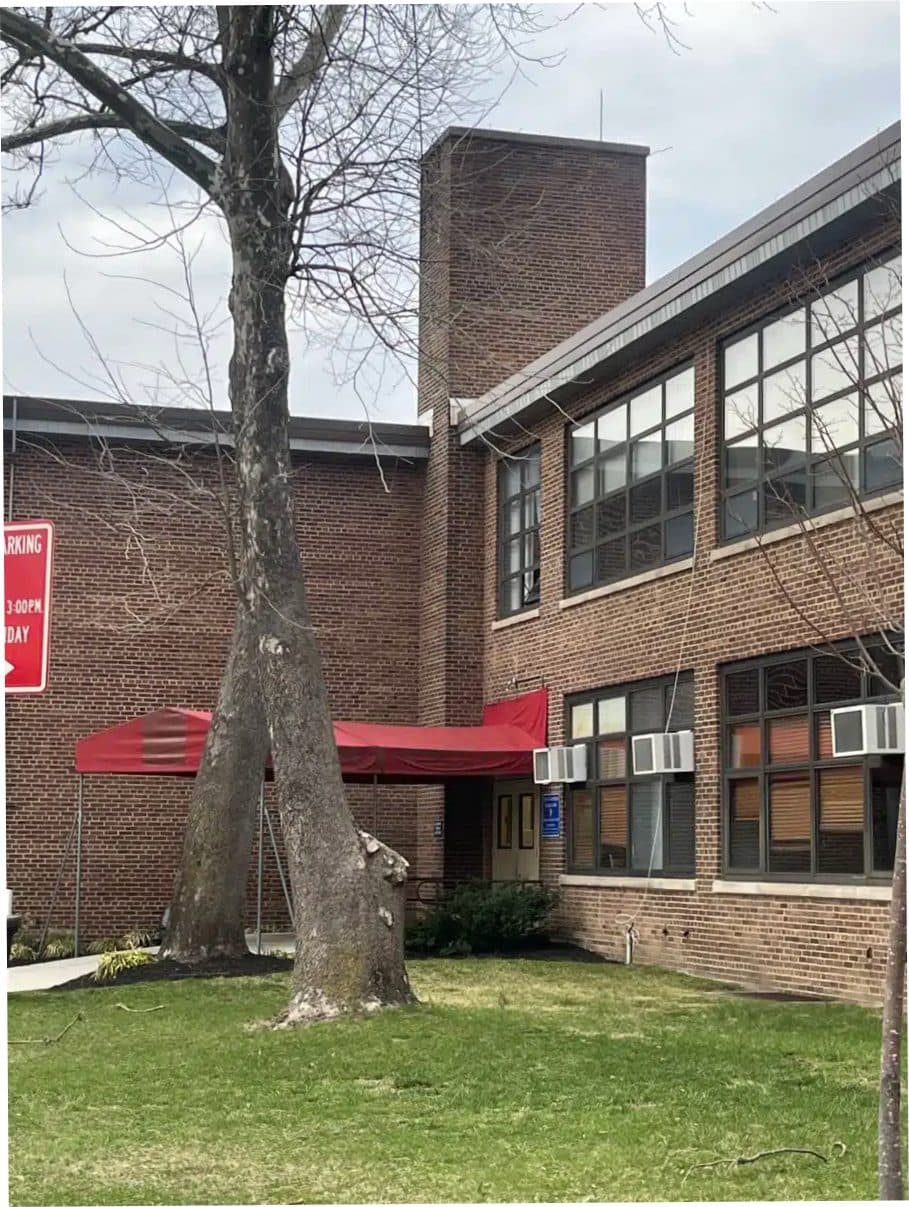
Huntington Youth Bureau — Huntington, NY
Huntington Drug and Alcohol Project • 423 Park Avenue • Huntington, NY 11743
SAMHSA 24/7 Helpline: 1-800-662-4357
Mailing Address
423 Park Avenue
Huntington, New York 11743
Phone Lines
Front desk: 631-271-3591
Hours of Operation
Hours not posted — call the facility to confirm availability
Huntington Youth Bureau
423 Park Avenue, Huntington, NY 11743
Inside Huntington Youth Bureau — Outpatient Care
Huntington Youth Bureau runs its Huntington Drug and Alcohol Project in Huntington, NY, holding regular outpatient space for adolescents alongside adults and seniors working through substance use. The clinical work draws on brief intervention, cognitive behavioral therapy, motivational interviewing, relapse prevention, and structured substance use disorder counseling. Distinct tracks stay open for adolescents, adult men, and adult women, with female and male clients alike moving through individualized outpatient plans. As a county-government bureau rooted in Long Island's North Shore, Huntington Youth Bureau keeps the schedule practical and accessible — outreach, screenings, mental health assessment, hepatitis education, HIV education, and social-skills development all run inside the same plan, so families don't have to coordinate care for an adolescent and the adults around them across two or three agencies.
Insurance Plans Honored at Huntington Youth Bureau
Benefits and acceptance depend on your individual policy. Verify your coverage with admissions before scheduling.
Huntington Youth Bureau
423 Park Avenue, Huntington, NY 11743
SAMHSA 24/7 Helpline: 1-800-662-4357
Outpatient Tracks Offered at Huntington Youth Bureau
| Care Levels | Substance use treatment |
| Treatment Setting | Outpatient, Regular outpatient treatment |
Clinical Approaches at Huntington Youth Bureau — CBT & Evidence-Based Care
Substance Abuse Care at Huntington Youth Bureau
Specialty Pathways at Huntington Youth Bureau — Women's Program & More
Counseling at Huntington Youth Bureau — Family-Inclusive Sessions
On-Site Testing at Huntington Youth Bureau — Drug & Alcohol Screening
Wraparound Supports & Accommodations at Huntington Youth Bureau
House Rules at Huntington Youth Bureau — Smoke-Free Campus
Paying for Care at Huntington Youth Bureau — Insurance & Self-Pay
Carriers Accepted
Other Payment Pathways
Plan coverage depends on your individual benefits. Call admissions to confirm what your policy covers and any cost-share before you commit.
Adult & Senior Intake at Huntington Youth Bureau
Ages Served
Gender Tracks
Huntington Youth Bureau — New York Licensed Recovery Center
 Listed in SAMHSA Locator
Full Credential List
Matching Care Programs
Want to compare options beyond Huntington Youth Bureau? Browse the full directory of vetted centers in New York or explore care by specialty.
Common Questions About Care at Huntington Youth Bureau
Records on file indicate this program accepts Medicaid. Specific eligibility rules, covered services, and authorization steps differ by state and plan tier. The admissions team can run a benefits check and walk through any cost-share before you schedule.
When detox is clinically indicated but not delivered in-house, this site coordinates a referral to a partner detox provider and arranges the hand-off into primary treatment. The admissions coordinator can explain how the referral works and how continuity of care is preserved between levels.
Outpatient care is designed around real life. Sessions are scheduled in evenings, mornings, or partial-day blocks so clients can keep up with work, school, or caregiving while building recovery skills they can apply the same week.
Yes, this program works with older adults and accounts for the realities of treatment at later life stages — medication interactions, chronic health conditions, grief, and social isolation. Care plans are adjusted accordingly while honoring each client’s dignity and independence.
Gender-responsive programming gives women space to work on trauma, relationships, and parenting in a setting tailored to their needs. Some sites coordinate childcare or family housing alongside treatment. If pregnancy or postpartum care is part of the picture, ask admissions about pregnancy-safe protocols.
Aftercare planning starts well before discharge. Typical paths include step-down to outpatient services, referrals to sober-living homes, alumni group meetings, and warm hand-offs to community recovery resources. Many programs maintain alumni networks so peer support and accountability continue once formal treatment is complete.
Family counseling runs alongside the primary clinical program. Relatives are invited into education sessions, communication-skills practice, and discharge planning so the family system actively supports recovery rather than undermining it. CRAFT principles can inform how loved ones engage with the person in treatment.
Total cost depends on program length, level of care, and the specific services involved. Most sites can set up payment plans or point to outside financing partners. A confidential call to admissions gets you a tailored cost estimate for your situation rather than a guess based on a generic price sheet.
This site offers general information about addiction treatment centers. It is not a substitute for professional medical advice, diagnosis, or treatment. In a mental health crisis, call 988 (Suicide & Crisis Lifeline) or 911 right away. For substance use guidance, SAMHSA can be reached at 1-800-662-4357.
Records are drawn from the SAMHSA Treatment Locator, state licensing databases, and center submissions.