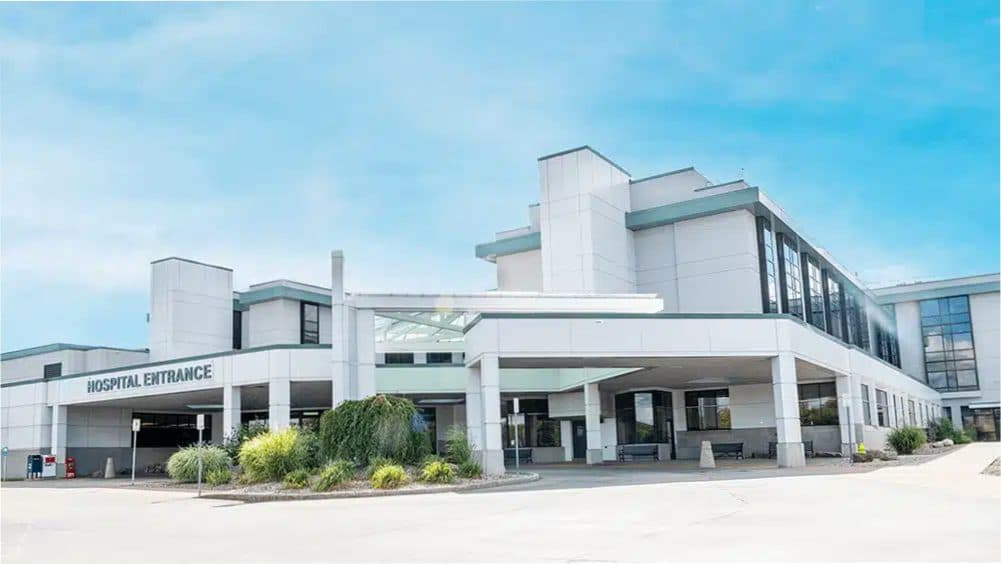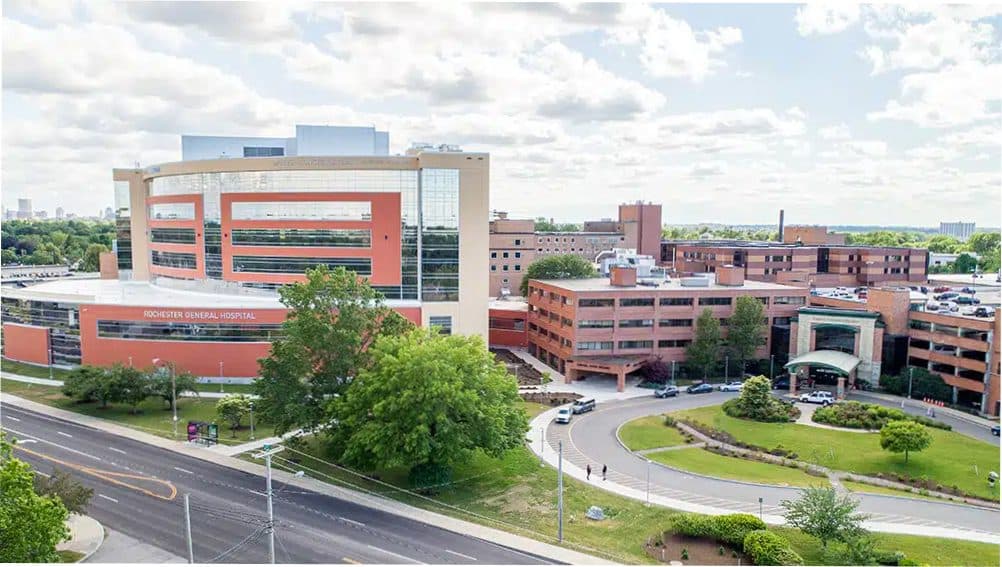
YWCA of Rochester/Monroe County — Rochester, NY
Steppingstone Supportive Living • 175 North Clinton Avenue • Rochester, NY 14604
SAMHSA 24/7 Helpline: 1-800-662-4357
Mailing Address
175 North Clinton Avenue
Rochester, New York 14604
Phone Lines
Front desk: 585-368-2225
Hours of Operation
Hours not posted — call the facility to confirm availability
YWCA of Rochester/Monroe County
175 North Clinton Avenue, Rochester, NY 14604
Inside YWCA of Rochester/Monroe County — Residential Care
YWCA of Rochester/Monroe County operates Steppingstone Supportive Living in Rochester, NY, holding long-term and 24-hour residential space for adult women, including pregnant and postpartum women, working through substance use. Adults, seniors, and young adults move through the residence, with the clinical work drawn from motivational interviewing, relapse prevention, trauma-related counseling, substance use disorder counseling, and telehealth visits. As a women-only program rooted in the Rochester community for more than a century, the YWCA keeps the residence steady — practical schedules, stable staff, and a setting built around women carrying long histories that often need both recovery and shelter under one roof.
Insurance Plans Honored at YWCA of Rochester/Monroe County
Benefits and acceptance depend on your individual policy. Verify your coverage with admissions before scheduling.
YWCA of Rochester/Monroe County
175 North Clinton Avenue, Rochester, NY 14604
SAMHSA 24/7 Helpline: 1-800-662-4357
Residential Tracks Offered at YWCA of Rochester/Monroe County
| Care Levels | Substance use treatment |
| Treatment Setting | Long-term residential, Residential/24-hour residential |
Motivational Interviewing & Allied Therapies at YWCA of Rochester/Monroe County
Substance Abuse Care at YWCA of Rochester/Monroe County
Pregnant Women Program at YWCA of Rochester/Monroe County
Paying for Care at YWCA of Rochester/Monroe County — Insurance & Self-Pay
Carriers Accepted
Other Payment Pathways
Plan coverage depends on your individual benefits. Call admissions to confirm what your policy covers and any cost-share before you commit.
Adult & Senior Intake at YWCA of Rochester/Monroe County
Ages Served
Gender Tracks
YWCA of Rochester/Monroe County — New York Licensed Recovery Center
 Listed in SAMHSA Locator
Full Credential List
Matching Care Programs
Want to compare options beyond YWCA of Rochester/Monroe County? Browse the full directory of vetted centers in New York or explore care by specialty.
Common Questions About Care at YWCA of Rochester/Monroe County
Records on file indicate this program accepts both Medicaid and Medicare. Specific eligibility rules, covered services, and authorization steps differ by state and plan tier. The admissions team can run a benefits check and walk through any cost-share before you schedule.
When detox is clinically indicated but not delivered in-house, this site coordinates a referral to a partner detox provider and arranges the hand-off into primary treatment. The admissions coordinator can explain how the referral works and how continuity of care is preserved between levels.
Residential days follow a predictable rhythm: morning wellness and grounding activities, individual therapy, group counseling blocks, educational workshops, and evening peer-recovery meetings. Meals, medication times, and rest periods are built into the schedule. That steady routine helps clients rebuild healthy daily structure — a quiet but important piece of sustained recovery.
The young-adult track focuses on the challenges specific to this stage of life — peer dynamics, identity formation, and the move into independent living. Programming usually pairs traditional addiction therapy with career counseling and practical life-skills work.
Gender-responsive programming gives women space to work on trauma, relationships, and parenting in a setting tailored to their needs. Some sites coordinate childcare or family housing alongside treatment. If pregnancy or postpartum care is part of the picture, ask admissions about pregnancy-safe protocols.
Family participation tends to strengthen long-term recovery outcomes. This program may run family therapy sessions, educational workshops, scheduled visitation, family weekends, or multi-family groups. The specifics differ by site, so admissions can describe the exact family programming and how relatives can plug in.
Aftercare planning starts well before discharge. Typical paths include step-down to outpatient services, referrals to sober-living homes, alumni group meetings, and warm hand-offs to community recovery resources. Many programs maintain alumni networks so peer support and accountability continue once formal treatment is complete.
Total cost depends on program length, level of care, and the specific services involved. Most sites can set up payment plans or point to outside financing partners. A confidential call to admissions gets you a tailored cost estimate for your situation rather than a guess based on a generic price sheet.
This site offers general information about addiction treatment centers. It is not a substitute for professional medical advice, diagnosis, or treatment. In a mental health crisis, call 988 (Suicide & Crisis Lifeline) or 911 right away. For substance use guidance, SAMHSA can be reached at 1-800-662-4357.
Records are drawn from the SAMHSA Treatment Locator, state licensing databases, and center submissions.