LGBT Community Center — New York, NY
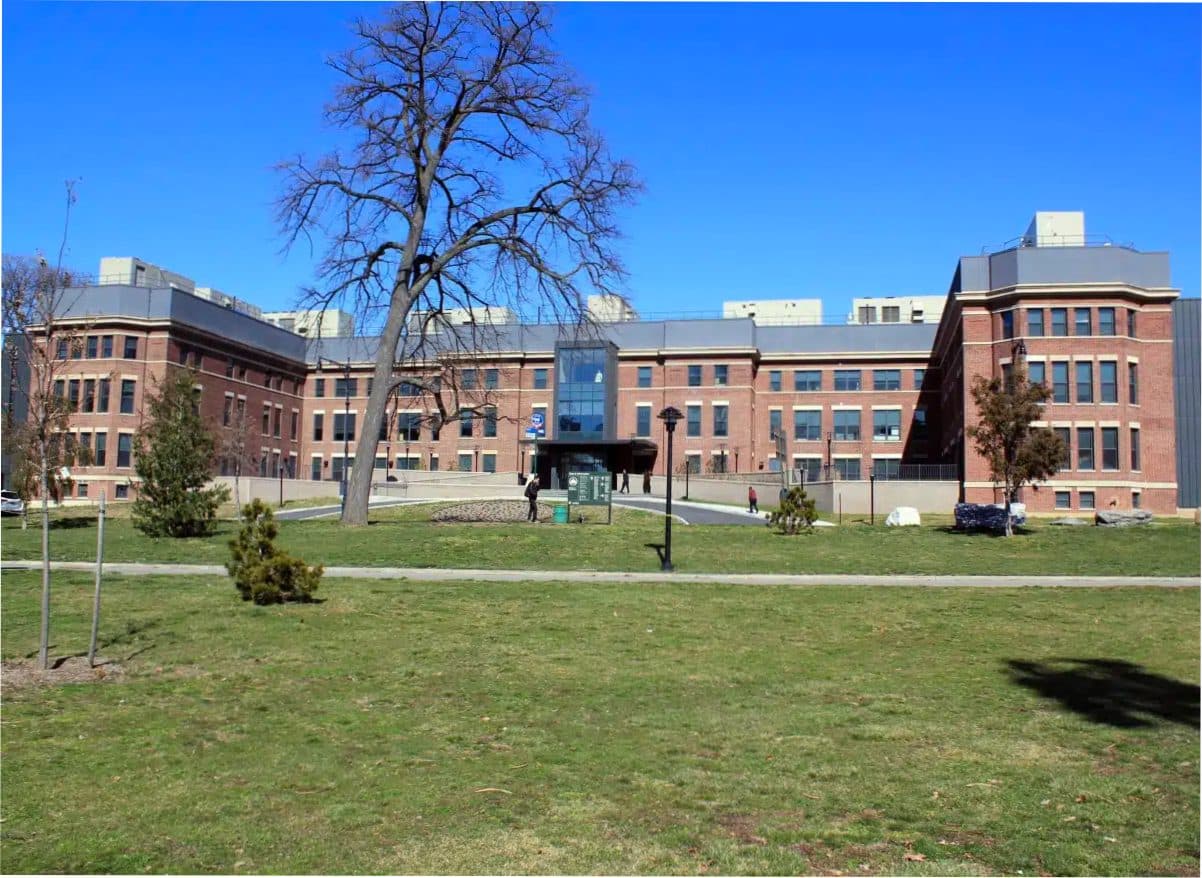
Center Recovery • 208 West 13th Street • New York, NY 10011
SAMHSA 24/7 Helpline: 1-800-662-4357
Mailing Address
208 West 13th Street
New York, New York 10011
Phone Lines
Front desk: 212-620-7310
Hours of Operation
Hours not posted — call the facility to confirm availability
LGBT Community Center
208 West 13th Street, New York, NY 10011
Inside LGBT Community Center — Outpatient Care
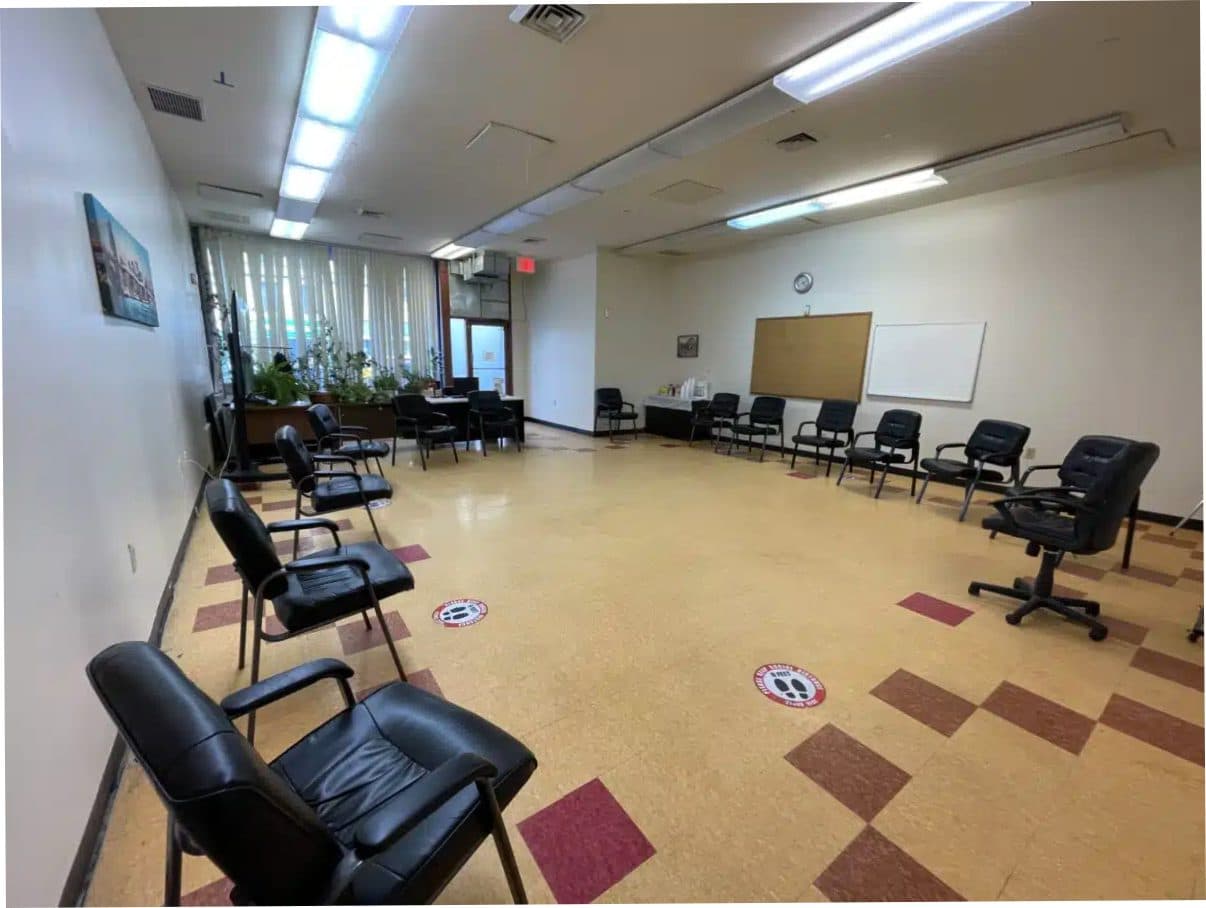
LGBT Community Center, in New York, NY, runs an outpatient program built around adult LGBTQ clients working through substance use. The clinic schedules regular outpatient sessions alongside methadone, buprenorphine, and naltrexone tracks, with clinical work drawn from brief intervention, cognitive behavioral therapy, the Matrix Model, motivational interviewing, and relapse prevention. Female and male clients sit in the same recovery groups, and the program is set up so a person doesn't have to spend the first session explaining who they are. As a Manhattan-based community organization, the LGBT Community Center keeps the work accessible and steady — recovery as part of a wider life rather than a separate appointment to apologize for.
Insurance Plans Honored at LGBT Community Center
Benefits and acceptance depend on your individual policy. Verify your coverage with admissions before scheduling.
LGBT Community Center
208 West 13th Street, New York, NY 10011
SAMHSA 24/7 Helpline: 1-800-662-4357
Outpatient Tracks Offered at LGBT Community Center
| Care Levels | Substance use treatment |
| Treatment Setting | Outpatient, Outpatient methadone/buprenorphine or naltrexone treatment, Regular outpatient treatment |
| Medications Available | Buprenorphine used in Treatment, Naltrexone used in Treatment |
Clinical Approaches at LGBT Community Center — CBT & Evidence-Based Care
Conditions Addressed at LGBT Community Center — Opioid Addiction & More
Specialty Pathways at LGBT Community Center — LGBTQ+ Affirming Care & More
Paying for Care at LGBT Community Center — Insurance & Self-Pay
Carriers Accepted
Other Payment Pathways
Plan coverage depends on your individual benefits. Call admissions to confirm what your policy covers and any cost-share before you commit.
Adult Intake at LGBT Community Center
Ages Served
Gender Tracks
LGBT Community Center — New York Licensed Recovery Center
 Listed in SAMHSA Locator
Full Credential List
Want to compare options beyond LGBT Community Center? Browse the full directory of vetted centers in New York or explore care by specialty.
Common Questions About Care at LGBT Community Center
Records on file indicate this program accepts Medicaid. Specific eligibility rules, covered services, and authorization steps differ by state and plan tier. The admissions team can run a benefits check and walk through any cost-share before you schedule.
Medication-assisted treatment (MAT) is offered with Buprenorphine used in Treatment, Naltrexone used in Treatment. These FDA-approved medications ease withdrawal and reduce craving while clients begin therapy. The treating physician sets dosing and the long-term plan based on an individual clinical assessment.
Outpatient care is designed around real life. Sessions are scheduled in evenings, mornings, or partial-day blocks so clients can keep up with work, school, or caregiving while building recovery skills they can apply the same week.
LGBTQ+-affirming care is part of how this program operates. Clinical work attends to the realities of minority stress, family rejection, and discrimination that frequently sit alongside substance use. Staff training emphasizes culturally responsive, respectful care across every level of the program.
Aftercare planning starts well before discharge. Typical paths include step-down to outpatient services, referrals to sober-living homes, alumni group meetings, and warm hand-offs to community recovery resources. Many programs maintain alumni networks so peer support and accountability continue once formal treatment is complete.
Total cost depends on program length, level of care, and the specific services involved. Most sites can set up payment plans or point to outside financing partners. A confidential call to admissions gets you a tailored cost estimate for your situation rather than a guess based on a generic price sheet.
This site offers general information about addiction treatment centers. It is not a substitute for professional medical advice, diagnosis, or treatment. In a mental health crisis, call 988 (Suicide & Crisis Lifeline) or 911 right away. For substance use guidance, SAMHSA can be reached at 1-800-662-4357.
Records are drawn from the SAMHSA Treatment Locator, state licensing databases, and center submissions.